
AI for consultants: proposals, client data and project delivery
AI for consultants in unregulated professions: proposals, deliverables and invoices under Law 4/2013, client data and rights to delivered work.
Reading time: 9 min
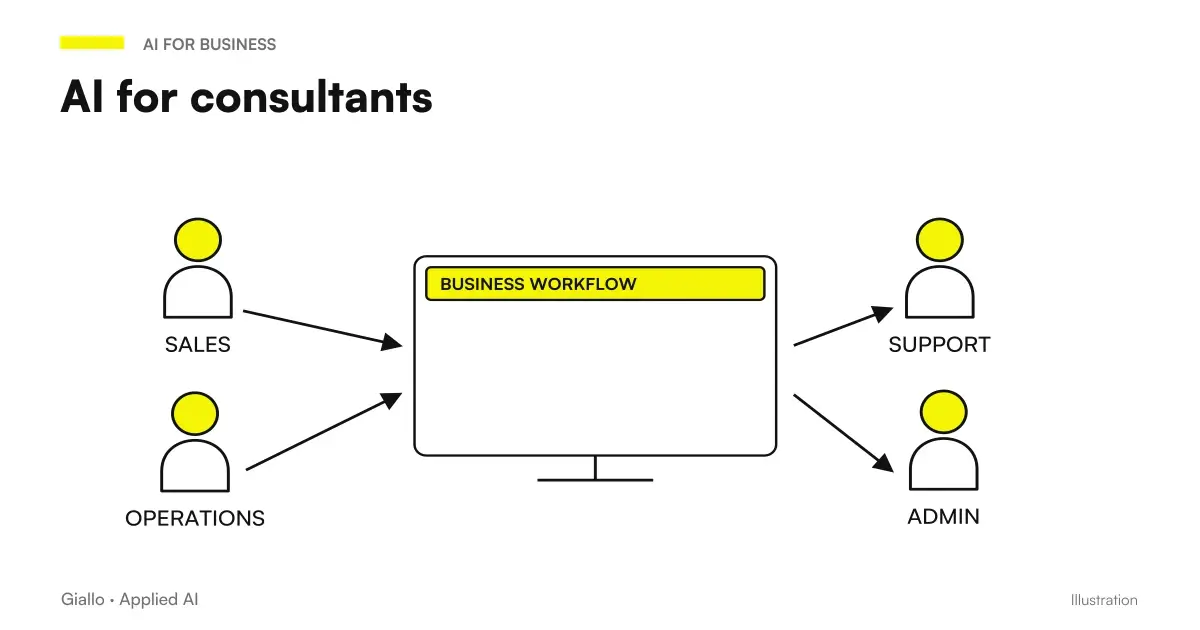
For those who do consultancy without a register, in organization, marketing, human resources, training or quality, the AI for Consultants It is especially useful in the hours that do not invoice: moving from the notes of a call to a draft proposal, keeping track of what the customer asks between emails, preparing the minutes of the workshops, remembering the invoices to be solicited.
Your craft, however, asks precise questions. Whose data you put in the tool, since you often work on personal data on behalf of the customer. Whose work you hand over, if a part has written a model. And what proposals and contracts must contain: the Law 4/2013 asks those who practice a profession not organized in orders or colleges to recall it in every document and written relationship with the customer.
Here you find the cycle of an assignment, from call to invoice, with what automation can do in each step and the rules that set its limits.
In summary
- AI saves time especially on proposals, minutes, versions of documents and reminders: the work that the customer does not pay per hour.
- Anyone practising a profession that is not governed by a professional order must refer to Law 4/2013 in every written document exchanged with the client: the proposal template must already include that reference.
- If you process personal data on behalf of the customer you are normally responsible for the processing: to use an AI provider on that data you need his written permission.
- A deliverable can be protected by copyright even if you have used AI, as long as it is the result of your intellectual work; whoever can reuse it must be written in the contract.
- Clauses that extend payment periods excessively or allow the client to change the terms unilaterally are unfair under the law on self-employment: the AI can flag them in a purchase order.
The cycle of a consulting assignment, step by step
Each assignment goes through the same steps, from first contact to collection. In each there is a repetitive part that a system can prepare and a part that remains yours.
- Call for knowledge. With the information given to the client, the transcript produces a synthesis of objectives, constraints and deadlines; you correct what the model has misunderstood.
- Proposal. From the synthesis and from your models comes the draft with context, activities, times, deliveries and compensation. Perimeter and price are decided by you.
- Customer conditions. The system compares the customer's order or contract with your proposal and reports clauses on payments, changes and confidentiality to be discussed.
- I work on customer data. Only with authorized tools and, when you can, on anonymous or aggregated data.
- Delivery and revisions. Numbered versions, change request log, signed delivery report.
- Invoice and reminders. Reminder of agreed deadlines and draft reminders to be re-read before sending.
For the first phase, practical and cautious limits on the registration of people are collected in the guide to transcript of meetings with AI. For the last one there is a demo of automatic payment reminders, which shows how to set the tone of reminders.
What the proposal must say, and what AI can control
The proposal is the document in which AI saves the most time and in which a mistake costs the most, because it becomes the basis of the relationship. The table puts together the items that it is best to always have in the model.
| Proposal item | What AI Prepares | What You Decide | Reference |
|---|---|---|---|
| Applicable Discipline | Inserts the call to law from the model | Appearing in proposal, contract, invoices and written communications | Law 4/2013, art. 1 |
| Activities and deliveries | Draft drawn from the call's record | Perimeter, exclusions, number of revisions included | Customer Agreement |
| Compensation and payments | Amounts from your rates, installment schedule | Price and terms, not exceeding 60 days from receipt of invoice | Law 81/2017, art. 3 |
| AI tools used | Standard clause from your model | What tools, for what activities | Law 132/2025, art. 13 |
| Confidentiality and personal data | List of data you will receive | Processing Agreement, Authorized Providers | GDPR, Art. 28 |
| Properties of results | Clause from the model | Who can reuse what after delivery | Law 81/2017, art. 4 |
The first line is the one most often forgotten. Paragraph 3 of Article 1 of Law 4/2013 requires the activity to be identified in every document and written communication with the client by an explicit reference to the law, and classifies failure to comply as an unfair commercial practice under the Consumer Code. A template that already contains the wording, plus an automatic check for it before sending, take only a few minutes.
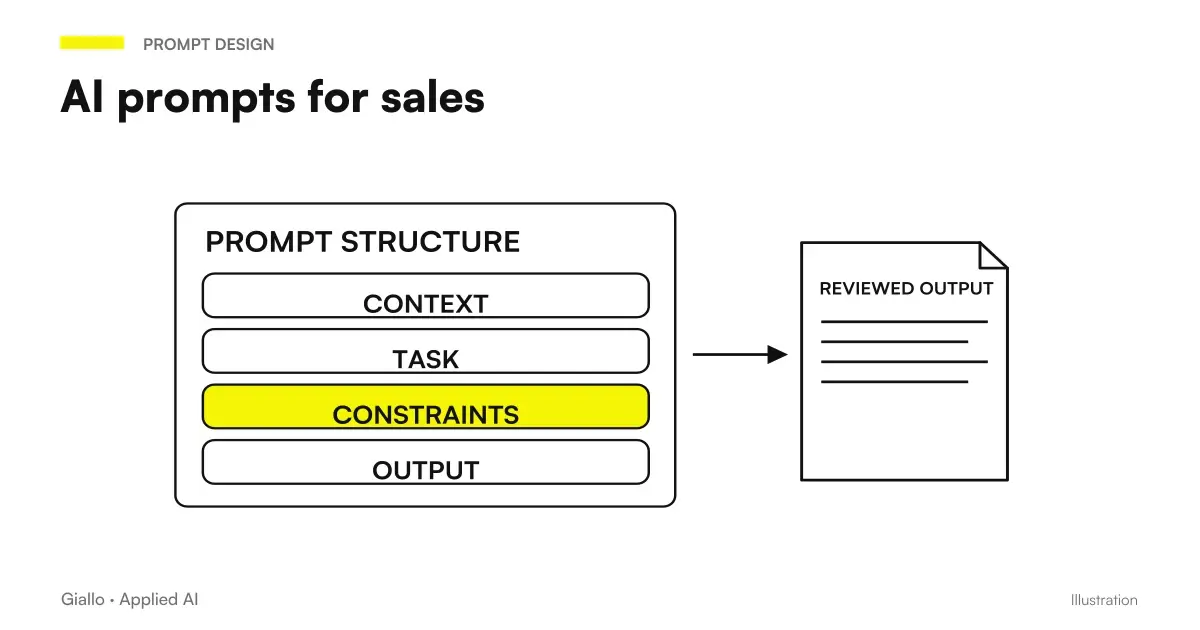
On the condition of the customer, the Law 81/2017 considers unfair and ineffective the clauses that allow the client to modify the contract alone, to withdraw without adequate notice from a continuous performance or to pay more than sixty days from receipt of the invoice; it is also abusive to refuse to enter into the contract in writing. When a large company sends you its order with the general conditions, AI can highlight these points. The negotiation, and if you need the advice of a lawyer, it's up to you. To write drafts of bids, find examples in AI prompt for sales.
Customer data inside the tool: when its authorization is needed
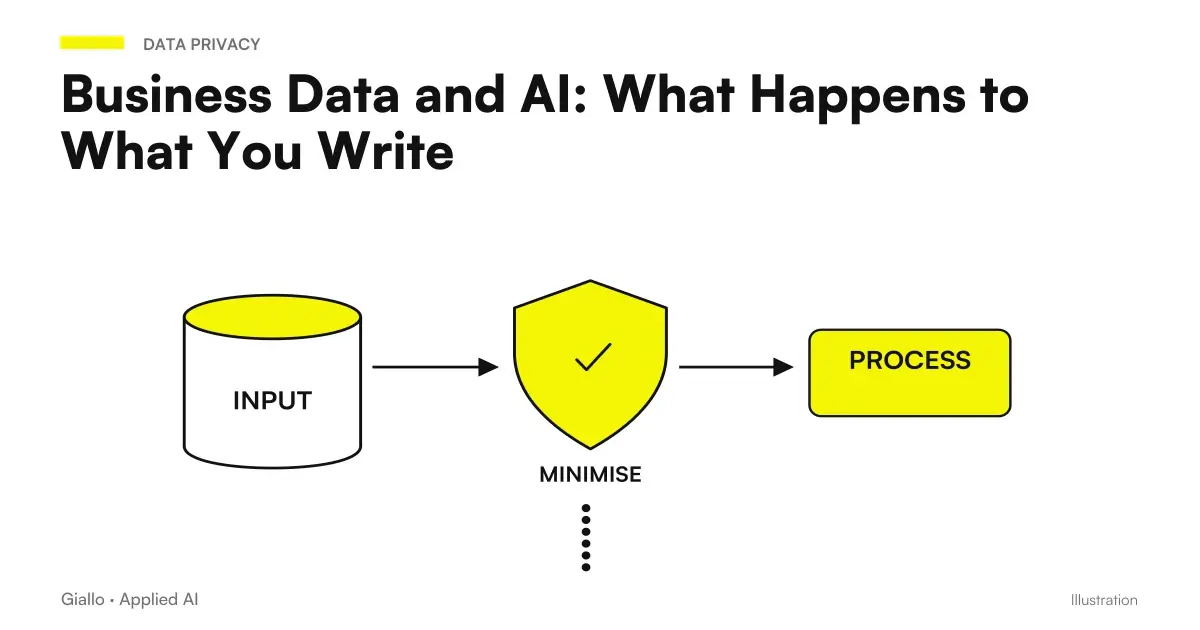
Many consultants work on personal data that belongs to the customer: the CVs of a selection, the employee ratings, the customer list for a campaign. In these cases the customer is normally the data controller and you are responsible. L'Article 28 of the GDPR establishes that the manager does not resort to another manager without written, specific or general authorization of the owner: the provider of your AI tool, if it processes that data, is just another manager.
Then there is the information that is not personal data but worth a lot: industrial plans, price lists, margins, projects. The Industrial Property Code It protects them as trade secrets only if the holder subjects them to measures that are reasonably adequate to keep them secret. Pasting a customer's plan into a personal account of a chatbot goes in the opposite direction, and in all likelihood violates the confidentiality agreement you signed.
Material that can be used with a corporate instrument covered by agreement
- Your notes, already devoid of names and identifying details
- Aggregate or anonymous data provided by the customer
- Public documents of the client, such as the site or the deposited balance sheet
- Your models of proposal, report and presentation
Material that requires prior written permission from the customer
- CVs, ratings, employee or customer data
- Recordings of interviews and workshops with identifiable people
- Plans, price lists and margins covered by the confidentiality agreement
- Any information that the contract prohibits you from communicating to third parties
What happens to what you write in the different plans of the tools, free and business, is explained in the article on Business Data and AI.
The work you deliver: personal execution, rights, transparency
In the case of intellectual professions, the Civil Code requires the service provider to personally perform the task, being able to rely on substitutes and auxiliaries, provided they work under his direction and responsibility and the contract or uses allow. The text is from 1942 and does not speak of software, but offers a useful criterion: the tools help you, the direction of the work and the responsibility of the result remain yours.
The same criterion appears in Law 132/2025. The Article 13 It concerns the intellectual professions in general: it wants AI to remain a supportive tool, the intellectual work of the professional to remain prevalent and the client to receive clear information about the systems used. Law 4/2013 defines your profession as activity carried out mainly with intellectual work, so the prudent reading is to apply it to you as well.
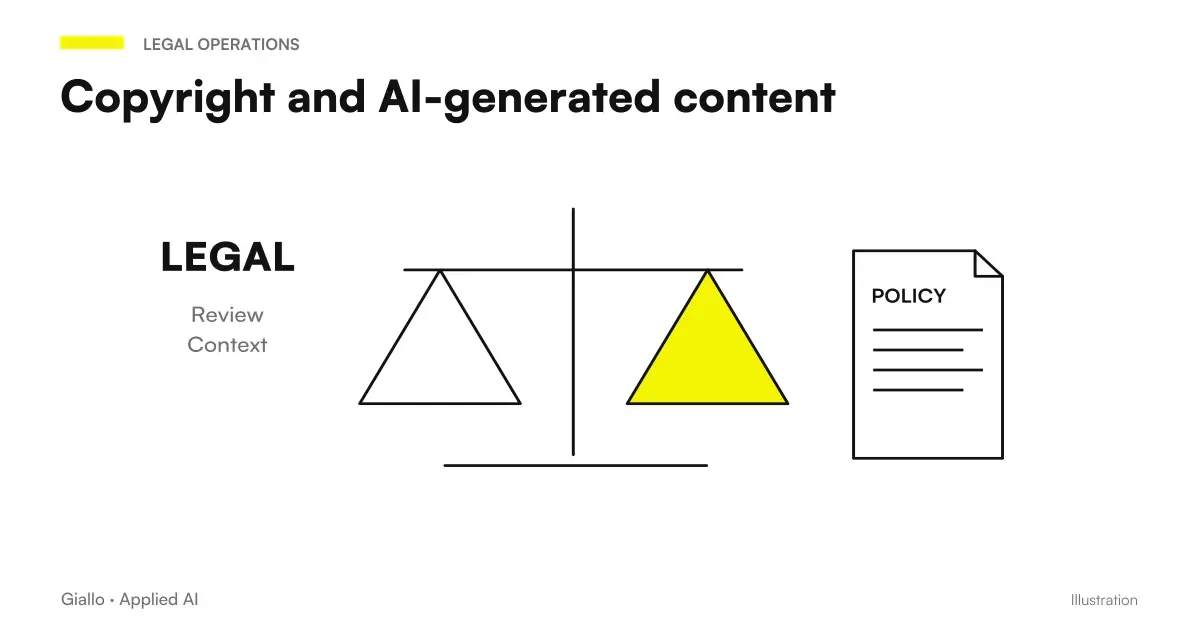
On rights, two rules must be read together. Since October 10, 2025, Article 1 of the Copyright Act also protects works made using artificial intelligence, on one condition: that they result from the author’s intellectual work. Article 4 of Law 81/2017 grants a self-employed worker the economic exploitation rights to original contributions created during the assignment, unless inventive activity is the subject of the contract and is paid for that purpose. A report made of copied outputs without your own contribution risks having nothing to protect; further information is in copyright and texts produced with AI.
Two sample assignments: a selection and a marketing plan
The HR consultant who follows a selection
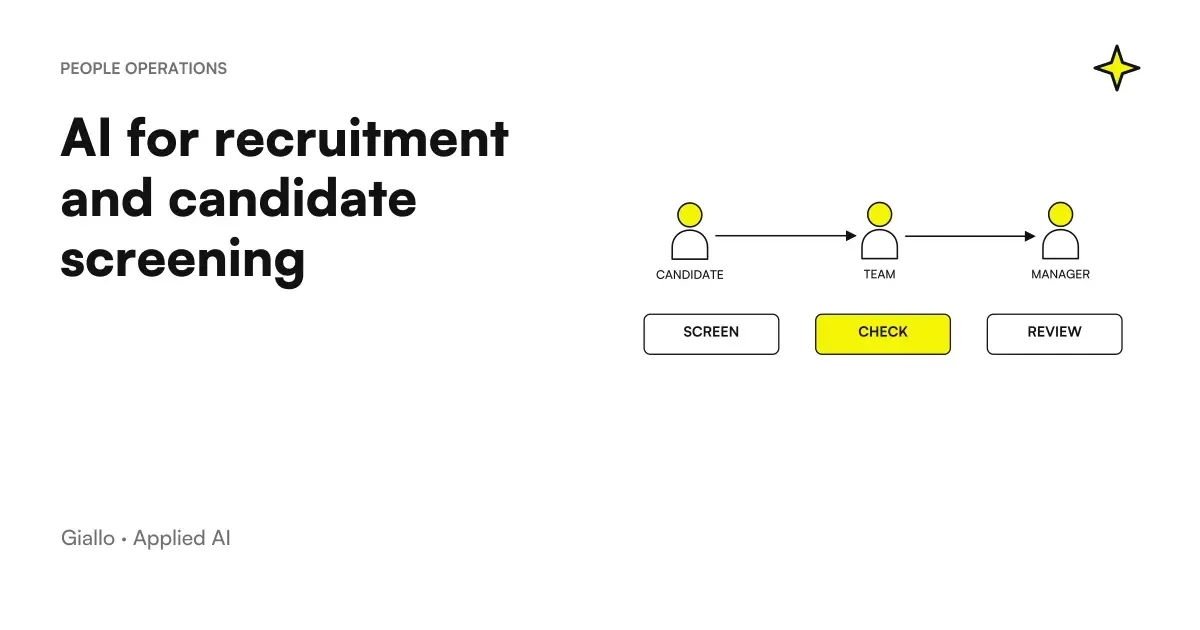
Think of an HR consultant who looks for an administrative manager for an SME and receives, in this example, eighty applications in a week. Ordering CVs to a system seems the most natural thing, but here the rules change: for the AI Act, systems intended to analyze or filter applications and to evaluate candidates are at high risk (Annex III, point 4), with obligations that the Omnibus regulation of 2026 starts on December 2, 2027.
The consultant therefore uses AI for tasks that do not evaluate people: summarising the agreed job description, preparing interview questions and writing replies to candidates who were not selected. She reads and evaluates the CVs herself, and processes candidate data on the client’s behalf with written authorisation for the tools she uses. A broader overview is in the guide to AI for Recruiting and Selection, and what it entails for an enterprise to use a high-risk system explains the Guide to the obligations of the AI Act for SMEs.
The marketing consultant who prepares an annual plan
A marketing consultant prepares the annual plan for a furniture company. It asks the customer for sales data per channel and per month, already aggregated, and not the list of customers. With AI, he analyzes seasonality and prepares drafts and tables; he writes strategic choices and budget breakdowns. In the proposal there are the reference to Law 4/2013, a clause on the tools of AI and one on the reuse of materials after delivery.
When the customer requests the fourth revision, the request log shows that the first three were within the perimeter and this did not: the proposal treats it as an additional activity, and the discussion closes with an additional quote instead of an email chain.
The mistakes a consultant pays in person
- Using your free personal account to work on customer materials.
- Delivering a report without rereading numbers and sources: a data invented by the model ends up under your name.
- Generating proposals and contracts with a model that does not contain the reference to Law 4/2013.
- Accepting the customer's order without reading the clauses on payments and unilateral changes.
- Promising the customer results that come from an unverified output.
Where to start if you work alone
Start with the proposal template: when it contains all table entries, each draft generated will have them. Then add the invoice reminders, which are easily measured by comparing the average time between invoice and collection before and after. Only then does it move work on customer data to AI, with permissions in order.
If you work in a studio with multiple people, the overview on the AI in B2B Services shows how to organize the same flows in the team.
To know which steps of your work, from call to invoice, you can rely on a system without exposing your customers' data, we can analyze them together starting from a recent assignment: find out how we work on the page of AI Consulting Services.
Giallo Studio guides: methodology and sources
How we apply it in the company
Related resources
AI by sector
The same reasoning, applied to the other areas we follow.
- AI for catering and banqueting: event quotes and customers
- AI for Accounting: What It Can Really Do
- AI for call centres: what changes?
- Creating quotes with AI: how to speed up the process
- AI for businesses: a complete guide to getting started
- AI for CRM and sales: automate the sales process
- AI for driving schools: enrolment, lessons and exam reminders
- AI for Business Customer Care: How It Really Works
- AI for car rental: renter fines, contracts and return damage
- AI for dentists and dental practices: recalls, quotes and scheduling
- AI for insurance agencies: renewals, quotes and complaints
- AI for e-commerce: compliant returns, product descriptions, discounted prices and reviews
FAQ
Do I have to write in the proposal that I use artificial intelligence tools?
It is the most cautious choice. Article 13 of Law 132/2025 requires intellectual professionals to inform clients about the AI systems they use in clear language, and Law 4/2013 defines professions not governed by professional orders as activities carried out predominantly through intellectual work. A clause stating which tools you use and for which activities is sufficient.
Can I upload CVs or a client’s employee data to a chatbot?
Only if the client has authorised it in writing. When you process personal data on their behalf, you are normally a data processor, and the GDPR prohibits a processor from using another processor, such as the tool provider, without the data controller’s written authorisation. Alternatively, work with anonymous or aggregated data.
Is the report I deliver mine if I wrote it with the help of AI?
Copyright law also protects works made using AI, if they are the result of your intellectual work, and self-employment law gives the professional the economic rights over the original contributions, unless the inventive activity is the object of the contract and is paid for it. The more the text is copied output without your contribution, the less there is to protect; who can reuse what should be written in the proposal.
What must a consultant who is not registered with a professional order include in a proposal by law?
Law 4/2013 requires its legal reference to be cited in every document and written communication with the client, and failure to do so is an unfair commercial practice. You and the client decide the rest: activities, deliverables, fees, confidentiality, and ownership of results. A proposal template containing these items also makes a draft written by AI reliable.
The customer asks me to accept his order with long-term payment: can I refuse?
You can dispute it. Law 81/2017 considers unfair and ineffective the clauses that fix the payment beyond the legal limit from the receipt of the invoice and those that allow the customer to change the conditions on their own, and in these cases recognizes the right to compensation for damages. The AI can highlight them in the general conditions of the customer; for negotiation contact a lawyer.
Can I use AI to screen applications in a recruitment process?
With great caution. The AI Act classifies high-risk systems intended to analyze or filter applications and evaluate candidates, with obligations that apply from December 2, 2027. Until you have a compliant tool and clear agreement with the client, use AI to prepare interviews and communications, and evaluate candidates yourself.