
Sector · Accountants
AI in your firm, where it actually helps.
In accountancy firms, time disappears into data entry, deadlines and repetitive replies. AI handles the mechanical work; you stay focused on advice and oversight.
Tax returns
Deadlines
Customers
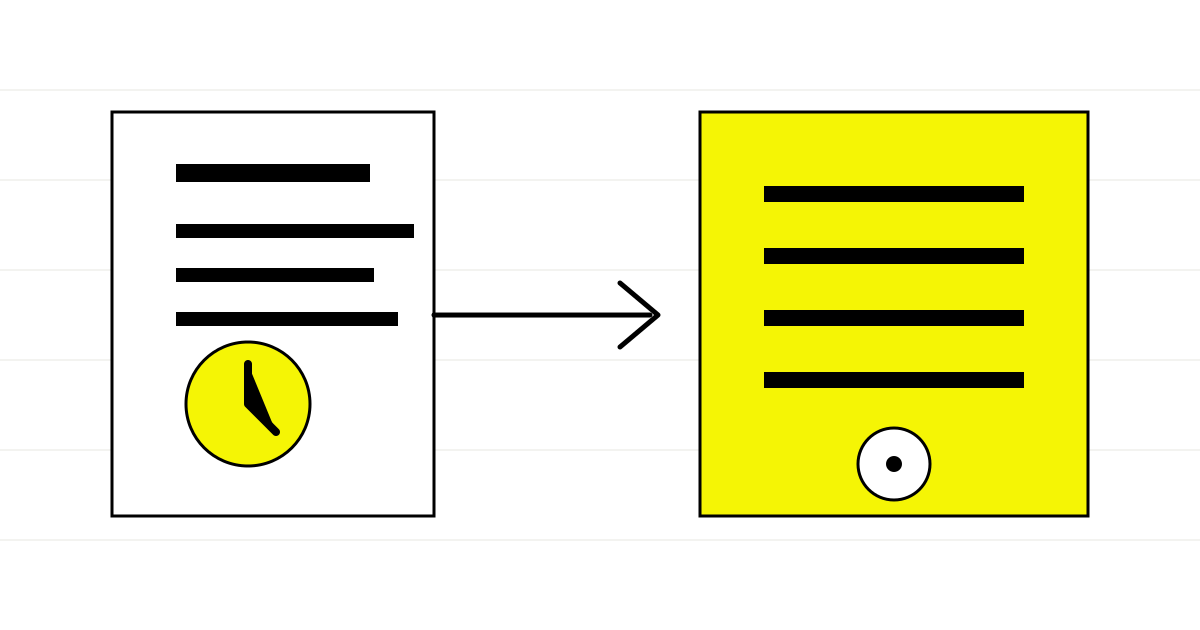
What artificial intelligence can do for an accountant
AI for accountants takes routine work off your firm's hands: it reads invoices and documents, extracts data into your business management software, monitors deadlines and compliance obligations, and answers recurring client questions. Professional advice and oversight remain with the accountant.
- Data extraction
- Amounts, dates, tax rates and line items are read from invoices, receipts and contracts and transferred to your business management software without manual data entry.
- Active deadline tracking
- Compliance obligations monitored automatically, with client reminders as soon as a document is missing.
- Professional secrecy
- GDPR-compliant tools, European servers where possible, and data minimisation and anonymisation for information sent to models.
- How much does it cost to get started?
- The first workflow typically goes into production in 2-4 weeks and pays back through the hours your firm recovers during seasonal peaks.
Common problems
More overtime is not the answer to a busy season.
Re-entering document data, chasing clients for missing attachments, answering the same questions a thousand times and tracking essential deadlines. These pressures can be reduced before another busy season becomes overwhelming.
Practical use cases
Four automations that make an immediate difference.
Reading invoices and documents
AI extracts amounts, dates and line items from invoices, receipts and documents, then imports them into your business management software. No manual data entry.
Deadlines and reminders
Compliance obligations and deadlines monitored automatically, with a reminder to the client when a document is missing.
Client responses
An assistant that answers recurring questions about documents, case status and deadlines using your data.
Bookkeeping and categorisation
AI categorises transactions and prepares reconciliations, ready for your final review.
Expected results
More time for your firm. Room to breathe.
- Time saved when you need it most, during peaks in deadlines.
- Fewer transcription errors, so fewer corrections and less rework.
- Better support for clients, with quick responses and timely reminders.
- Your firm can handle more work without hiring at every peak.
Responsibility
AI prepares; you sign. You review every output, and all data is handled in line with professional confidentiality and GDPR.
In summary
Theartificial intelligence for accountants does not replace the professional. It takes routine work off your desk — data entry, reconciliations, document searches and repetitive responses — and leaves your firm time for advice and oversight, where the real value lies.
In an accounting firm, automation has its greatest impact during peaks: tax returns, tax deadlines and period-end closing. When volumes surge, an AI agent reads documents, extracts data, updates the business management software and flags the cases that need human review, reducing the workload on your team.
We always start with an audit: map your firm's processes, measure hours and costs, and identify the two or three workflows with the highest return. We automate the first priority in line with GDPR and professional confidentiality, measuring the result in hours freed and errors avoided.
FAQ
Questions from accounting firms.
No. It takes care of routine work — copying data, chasing documents and answering the same questions — so you can focus on advice and oversight, which remain human responsibilities.
Yes. We use GDPR-compliant tools, European servers where possible, and data minimisation and anonymisation for information sent to models. Professional confidentiality is a design constraint, not a detail.
In most cases, yes: integration uses APIs, imports and exports, or automation. On the call, we check compatibility with your specific software straight away.
Usually with extracting data from documents: high volumes, fairly clear rules and a quick return. This is the first workflow that can free up hours by the next busy season.
Extract data from invoices and documents and write it to your business management software, classify and archive correspondence, answer recurring customer questions using your procedures, and draft communications and deadline reminders. These are the routine tasks that currently take hours away from your firm.
We start with a fixed-price audit that measures the hours spent on repetitive processes, then set up the first workflow. You know the investment in advance; it pays back through the time your firm recovers, particularly around deadlines.
No. The tools fit into the software you already use, and we handle the setup. Your firm focuses on its own work; we make AI unobtrusive and reliable in the daily workflow.
Continue with
Before the next deadline
Prepare your firm for peak periods.
On a call, we identify the workflow that takes up the most hours in busy periods and how to ease the workload.