
Service · AI agents
AI agents that do the work, not just the talking.
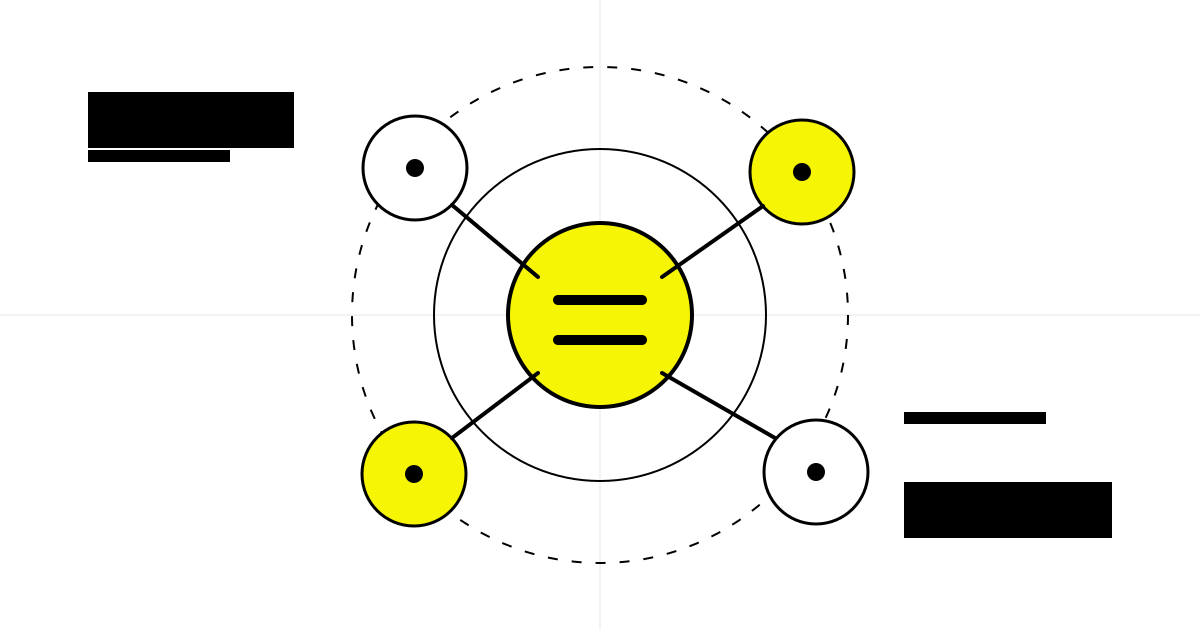
An AI agent doesn't just answer: it reads, decides and acts inside your tools. It's the difference between an assistant chatting and a digital colleague closing tasks.
01
Trigger
02
Reasoning
03
Action
What is an AI agent for businesses?
An AI agent for business is a software assistant that goes beyond answering questions: it reads your data, decides the next step and takes action in the tools you already use — email, CRM, business management software and documents — without someone starting it each time.
- Difference from a chatbot
- A chatbot produces text. An agent performs tasks: opening a ticket, updating a record, sending a reminder or handing a case to a person when needed.
- Where it runs
- Inside your existing business tools, through APIs and automation. You can adopt it without changing your business management software.
- What you need to get started
- A repetitive process with clear rules and accessible data. The first agent goes into production in 2-4 weeks.
- Who stays in control
- Decisions with economic or legal impact remain human: the agent prepares, the person approves.
Let’s start with your use case
Which process would you like an agent to handle?
Tell us about the workflow taking up the most time. We reply within one working day with an initial proposal: what to automate, its impact and where to start. No sales representative or commitment.
The problem
Skilled people spend too many hours on work that does not need their expertise.
Routing emails, finding information across a thousand documents, copying data between systems and answering recurring questions. These necessary, predictable tasks are well suited to an AI agent, which can repeat them without tiring.
What you get
Time back. Fewer errors.
- Repetitive tasks handled independently, with one person overseeing only exceptions.
- Consistent answers and documents, based on your actual sources.
- Integration with the email, CRM and business management software you already use, without forced migrations.
- Every agent action is tracked, so you know what it did and why.
Practical examples
Three agents I often work with.
Customer care agent
Answers customers using your documents, opens tickets and escalates when needed. Available 24/7, with consistent responses.
Back-office agent
Reads emails and attachments, extracts data, and updates your business management software and CRM. No more manual copying between tools.
Sales agent
Qualifies leads, prepares initial replies and quotes, and books calls. You intervene where needed.
The point
of a repetitive task can often be handled by an agent, leaving people the 30% requiring judgement, relationships and responsibility.
How it works
How an AI agent works, step by step.
An AI agent for business detects an event, understands it, decides what to do and acts in your tools, with control rules and a log of each step. Here is the cycle it repeats for each case.
Detects the event
A new email, document, request in your business management software or customer message triggers the AI agent in real time, without a manual start.
Understands the context
It reads text and attachments, extracts relevant data and checks it against your sources, including price lists, master records and procedures. An SME AI agent goes beyond a simple macro by interpreting rather than merely copying.
Makes decisions within clear rules
It follows the rules you define for independent actions. Above a set threshold, or when uncertain, it stops and hands over to a person. No action without visibility.
Acts within your tools
It replies, updates the CRM, prepares the document, opens the ticket and writes to your business management software. Every action is logged, so you always know what the agent did and why.
FAQ
AI agents, explained.
We work with Claude Opus 5.5, Sonnet 5.5, Haiku 5.5 and Fable 5.1, as well as GPT-6.1 Sol and GPT-6 Astra. An agent can use Haiku to route requests and another model for analysis or complex cases. We test the choice against your company's documents and tools: the model name, permissions and usage costs are part of the project, without tying you to a single model family.
A chatbot answers questions. An AI agent takes action: reading documents, updating business management software, sending emails or opening tickets. It accesses your tools to complete a task, beyond holding a conversation.
Agents need clear boundaries: defined document sources, escalation to a person when uncertain and logs of every action. Built this way, they reduce errors rather than introduce them.
Yes. Agents connect to email, CRM, business management software, spreadsheets and databases through APIs or automation. They fit your existing workflows rather than forcing you to replace everything.
A first agent for a well-defined use case is usually operational in 2-4 weeks, starting with your most time-consuming process.
We start with a fixed-price package: an audit to identify the process with the highest return, then development of the first agent. You know the price before starting, and the investment pays back through manual work saved.
Agents for customer support, back-office tasks such as reading email and invoices or entering data across systems, and sales tasks such as lead qualification, initial replies and quotes. We begin with your most time-consuming use case.
No. They handle repetitive, predictable work, leaving people in charge of judgement, relationships and responsibility. The agent handles routine tasks so people can focus on meaningful work.
Continue with
Related Guides
Insights from the blog
- AI agents for business: when they are useful and how to adopt them
- AI agents: what they are and how they work
- OpenAI Dots: ChatGPT's always-active agents explained
- Voice AI for companies: what it is and when it is needed
- Business chatbot guardrails: where to use Jev AI
- Copilot Studio: creating an AI agent for the company
- AI Agents and Superintelligence: What Changes for an SME
- Superintelligence and control: how to verify agents
Let’s put it into practice
Which task would you like to take off your desk?
Tell us about the activity that steals the most hours: let's figure out together if an AI agent is the right answer.