Skip to content
Giallo

AI for personal trainers: more hours on the gym floor, fewer evenings spent in chat.

This page is for personal trainers and coaches who work with clients in person, online or both, and who still have dozens of messages to clear at the end of the day. We walk through a trainer's typical day and show, moment by moment, which agent we could build, with which model and within which limits.

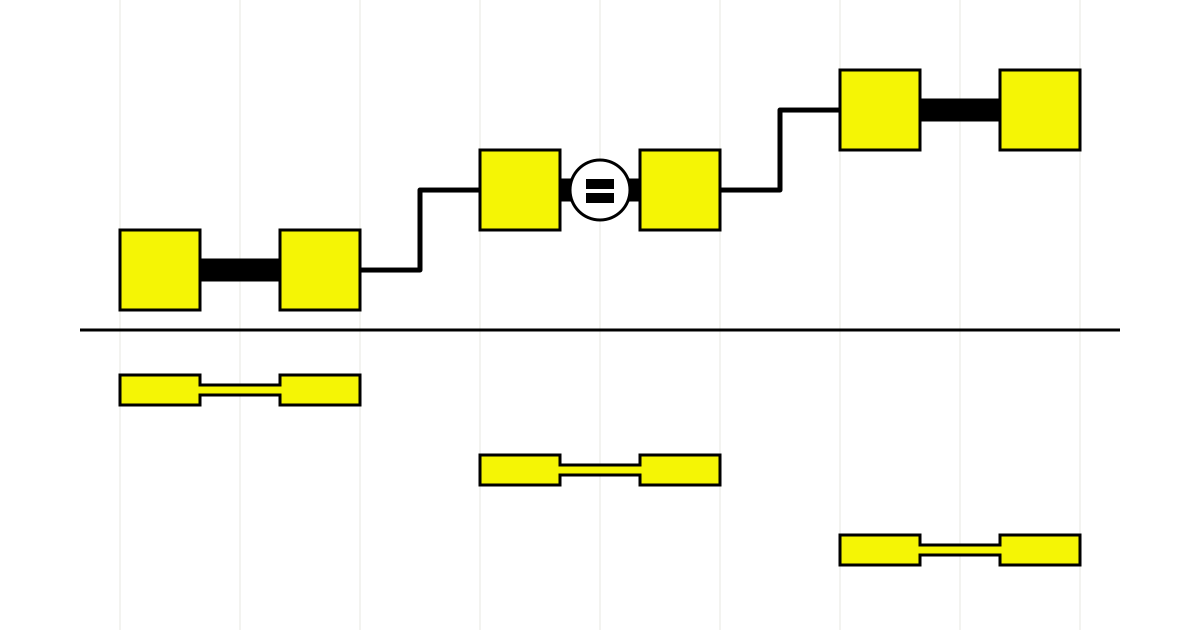
Three dumbbells with square yellow plates rise like steps on a progress chart. A central AI agent for personal trainers links the workouts; below the surface, geometric reflections echo the weights

How can AI help a personal trainer who works alone?

AI for personal trainers takes the side work off your plate: AI agents that reply to new leads, collect weekly check-ins, prepare progression drafts and keep your schedule and packages in order. Giallo Studio designs them with Claude, GPT and Gemini around your method; programs, loads and the relationship with the client stay with the trainer.

A working day, agent by agent.

The progression draft agent at work: week after week it applies the trainer's rules, adds load or holds steady, flags the skipped exercise and prepares the new program next to the current one, which the trainer signs.
  1. As soon as a message arrives from Instagram, WhatsApp or the website form, even late in the evening.

    First contact agent

    Welcomes whoever writes to you, understands what they are looking for and brings them to a discovery call with you.

    1. Introduces itself as the trainer's assistant and makes clear that technical answers will come from you.
    2. Answers questions about how you work, areas covered, online sessions and packages using only the info sheets you wrote.
    3. Asks a few questions about goals and experience, without asking about diagnoses or medication.
    4. Offers two times for the discovery call from your calendar and records the contact in the client sheet.
    5. If the person mentions injuries or medical conditions, it replies that you will discuss them on the call and gives no advice.

    Connects to: Instagram DMs · WhatsApp Business Platform · Google Calendar · Client sheet

    Claude Sonnet
    It has to write in your tone, motivating but without promising results, and follow precise rules on what not to say: this is the job where Claude Sonnet convinces us most.

    Who approves. You approve, once, the introduction text, the prices to share and the list of topics the agent always passes on to you.

  2. Sunday afternoon, when online clients fill in their check-in.

    Weekly check-in agent

    Collects client answers, sorts them by priority and prepares a summary you can read in a few minutes per person.

    1. Sends each client the weekly questionnaire with the questions you chose.
    2. Reads the free-text answers and labels them: all on track, loads to review, signals to look into.
    3. Puts at the top anyone who wrote about pain or an injury, with the original sentence and no interpretation.
    4. Prepares a short draft reply for each client, which you edit or approve.

    Connects to: Coaching app · Google Forms · Google Sheets · WhatsApp Business Platform

    Gemini
    Many trainers collect check-ins with Google Forms and Sheets: working inside Google Workspace cuts down on steps and copies of the data.
    Claude Haiku
    Quickly sorts dozens of short answers and recognizes the words that need to rise to the top of the list, without running a heavier model for every client.

    Who approves. No reply goes out without you; you always read the pain signals yourself and decide whether to refer the client to a doctor or a physiotherapist.

  3. Monday at dawn, before the first session at the gym.

    Progression draft agent

    Rereads the load history and the week's notes and suggests how to move each client's program forward.

    1. Reads loads, reps and perceived exertion recorded in the app or the spreadsheet.
    2. Applies the progression rules you wrote, for example when to increase the load and when to hold steady.
    3. Flags cases that fall outside the rules, such as an exercise skipped for several weeks.
    4. Prepares the updated program as a draft, next to the current one, for a quick comparison.

    Connects to: Coaching app · Program spreadsheet · Trainer's notes

    Claude Opus
    The task means reasoning over weeks of history and rules with many exceptions; it runs once a week, so quality matters more than speed.
    GPT
    We compare it during testing on the same anonymized histories: the model whose drafts you correct least stays in production.

    Who approves. You sign off on the progression. The agent does not write programs from scratch, does not touch clients recovering from an injury and sends nothing to the client.

  4. Every evening after the last session, to prepare the next day.

    Scheduling and packages agent

    Confirms appointments, handles reschedules and cancellations with your rules and keeps count of the remaining sessions.

    1. Sends a reminder to everyone with a session the next day and interprets the replies.
    2. Moves the appointment to an open slot or applies the late-cancellation rule you set.
    3. Updates the remaining sessions in each package after every completed session.
    4. Alerts you when a client is nearing the end of their package, with a draft renewal message.

    Connects to: Booking calendar · Package sheet · WhatsApp Business Platform

    Claude Haiku
    Replies like “can't make it tomorrow, Thursday?” are short and frequent: you need speed and a low cost per message.
    Codex
    Writes the connection between the booking calendar and the package sheet, through APIs or exports if the tool offers them; it does not read client messages.

    Who approves. You decide the cancellation rule and the renewal text; exceptions and discounts remain a conversation between you and the client.

Where time gets lost today.

These are the points we hear about most often. Each one is a possible first agent.

Instagram messages come in while I'm training clients

People who find your profile write in DMs or on WhatsApp asking about prices, times and goals. You reply between sets or in the evening, and someone who was curious at nine in the morning has already chosen someone else by midnight.

An agent replies with the information you wrote, asks the right questions to understand the goal and offers a discovery call in the time slots you left open.

Online client check-ins are scattered everywhere

Weight, how they feel, loads, photos and notes arrive partly on WhatsApp, partly in the coaching app, partly through a form. On Sunday evening you piece the picture together, client by client.

The agent collects answers through a fixed questionnaire, sorts them by client and hands you a summary with anyone who reported pain, fatigue or a drop in adherence at the top.

Updating programs eats up your Sunday

Every progression means reopening the load history, rereading the notes and rewriting the program in the spreadsheet or the app. With many clients, updates slip and the program stalls.

An agent prepares a progression draft following the rules of your method; you read it, correct it and decide. The program reaches the client only with your approval.

Last-minute cancellations and expiring packages

Remaining sessions in each package are counted by hand, cancellations arrive right before the session and renewals get asked for when the client has already used up their sessions.

The agent sends confirmations for the next day, applies your cancellation rule, updates the session count and gives you advance notice of who is about to finish their package.

Which AI model we use, and for which task.

We don't tie you to a single provider: we work with Claude by Anthropic, GPT and Codex by OpenAI, and Gemini by Google, and we choose the version during testing, on your own cases.

Claude Sonnet

  • First contact agent. It has to write in your tone, motivating but without promising results, and follow precise rules on what not to say: this is the job where Claude Sonnet convinces us most.

Gemini

  • Weekly check-in agent. Many trainers collect check-ins with Google Forms and Sheets: working inside Google Workspace cuts down on steps and copies of the data.

Claude Haiku

  • Weekly check-in agent. Quickly sorts dozens of short answers and recognizes the words that need to rise to the top of the list, without running a heavier model for every client.
  • Scheduling and packages agent. Replies like “can't make it tomorrow, Thursday?” are short and frequent: you need speed and a low cost per message.

Claude Opus

  • Progression draft agent. The task means reasoning over weeks of history and rules with many exceptions; it runs once a week, so quality matters more than speed.

GPT

  • Progression draft agent. We compare it during testing on the same anonymized histories: the model whose drafts you correct least stays in production.

Codex

  • Scheduling and packages agent. Writes the connection between the booking calendar and the package sheet, through APIs or exports if the tool offers them; it does not read client messages.

How we choose between models: the best AI model for agents.

Your week between the gym and the chat

Tell us how you work today between the gym, online clients and messages: we'll tell you which agent to build first and how to connect it to the tools you already use with clients.

Prefer the full form? Go to the contact page.

No spam or sales pitches. Response within 1 business day.

We use this data to contact you and, if we work together, to manage the project. We store it in Giallo's internal management system, on servers in the European Union, where only our team can see it; by email we only receive a notice, without your data. If you do not become a client, we delete it 3 months after our last contact. Details and your rights: privacy policy.

Do you prefer to write or call us?

How we work with you.

  1. One week of your calendar

    We start from your real schedule: gym sessions, online clients, calls, evening messages. Together we count where the time that isn't training goes.

  2. Your method in writing

    We turn into clear rules how you set progressions, when you pause a client and what you never want said in your name.

  3. Connecting the tools you use

    Coaching app, spreadsheets, calendar and social channels: we check what can be connected and choose the order that frees up time first.

  4. Testing on made-up clients

    We prepare invented but believable histories and conversations and have you read them: the agent talks to real clients only once you recognize yourself in the replies.

Frequently asked questions, straight answers.

It depends on the task; there is no single model. For client messages we prefer Claude Sonnet, for reasoning over load history Claude Opus, and for trainers who work with Google Sheets and Forms Gemini; the choice is confirmed during testing.

No, and that is not what we build. The agent prepares progression drafts following the rules of your method, but you decide and sign off on the program. It is your work, and the responsibility toward the client stays with you.

For writing a post or a draft, yes; for working with clients, no. An agent has controlled access to your tools, written rules, approvals and a history: that is the difference between asking a chat for something and delegating a recurring task.

No. Meal plans and advice on supplements or medical conditions stay with doctors, nutritionists and dietitians. The agent says so politely and flags the request to you.

It depends on the app. If it offers APIs or exports, we work there; otherwise we start from spreadsheets and the calendar and leave the app for the training side.

Yes, because we tell them. The agent introduces itself as the trainer's assistant, writes in your tone and passes every technical or personal question to you.

AI agents for personal trainers and coaches

Which hour of your day do you want back?

Tell us how you work today between the gym, online clients and messages: we'll tell you which agent to build first and how to connect it to the tools you already use with clients.