Skip to content
Giallo

AI for psychologists: agents for the practice, never for the session.

How can a psychologist use AI without touching the therapeutic relationship?

The AI for psychologists that Giallo Studio designs works only on organization: AI agents for scheduling and cancellations, replies to first contacts, informed consent and the waiting list. We build them with Claude, GPT and Gemini, with messages that do not reveal the nature of the sessions. Sessions, notes, assessments and any support for patients remain the psychologist's.

This page is for psychologists and psychotherapists who work alone or in a shared practice, in person and online. We show you, problem by problem, how things work today and how they change with a custom agent, which tools it touches and which model we choose. The line is clear: nothing that enters the session room.

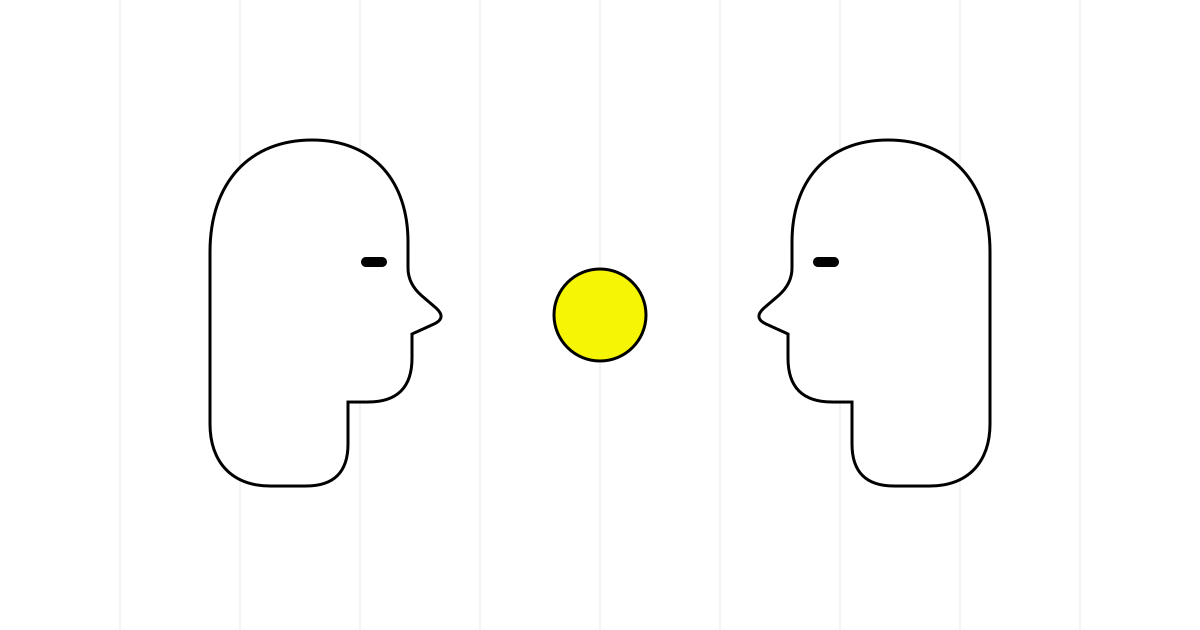
Two soft white profiles meet in an open space. A small yellow circle between them stands for a discreet AI agent supporting listening and dialogue

Before and after the agent, in everyday work.

Cancellations arrive at night and the hours stay empty

Today. The patient writes at eleven at night that they can't make it tomorrow. The psychologist reads the message in the morning, between one session and the next, and the free hour stays empty because there's no time to offer it to someone who was waiting.

With the agent. The agent records the cancellation as soon as it arrives. By morning the free hour has already been offered, with a neutral message, to someone who had asked for an earlier slot.

First contacts ask for answers that take hours

Today. People looking for a psychologist write from the website, from a directory platform or on WhatsApp: fees, online or in person, how the first session works. Answering everyone, with care, eats up the breaks between sessions.

With the agent. Practical questions get the answers you wrote, right away. Requests for a first session arrive already sorted, with availability and preferred format.

Reminders risk saying too much

Today. A text message saying “psychotherapy session” can be read by a family member or a coworker on the patient's phone. To be safe, many reminders are not sent at all.

With the agent. Reminders go out with an agreed text that names neither the profession nor the reason for the meeting. The patient chooses the channel and time to receive them.

Consents and forms are chased by hand

Today. Informed consent, privacy notice and, for minors, the signature of whoever holds parental responsibility: they are emailed, printed, checked by eye. A missing signature turns up on the day of the session.

With the agent. The agent sends the right documents for each new patient and checks that they come back complete. The psychologist sees only what is missing and from whom.

When the schedule is full, people who write get no reply

Today. There are no free hours for new patients, but requests keep coming in. Telling each one they need to wait, or suggesting a colleague, feels like the decent thing to do, and meanwhile the emails sit unanswered for weeks.

With the agent. People who write get an honest answer about the wait right away, and the option to join the list. If they'd rather not wait, they receive the list of colleagues the psychologist has chosen to recommend.

The AI agents we design, one by one.

The lock screen of someone on the list for an earlier slot: after a cancellation the confidential scheduling agent offers the freed-up hour, confirms it and updates the link for the online meeting, and no notification names the profession or the reason for the meeting.

Confidential scheduling agent

Handles rescheduling, cancellations and reminders with messages that do not reveal the nature of the appointment to others.

As soon as a patient writes to reschedule or cancel, at any hour.

Connects to: Google Calendar · Google Meet or another video platform · SMS · WhatsApp Business Platform

  1. Recognizes in the patient's message the request to reschedule or cancel and the date it refers to.
  2. Applies the cancellation policy written by the psychologist and offers the week's open slots.
  3. Offers the freed-up hour to someone on the list for an earlier slot, with a text that does not name the profession.
  4. Updates the calendar and, for online sessions, regenerates the video call link.
Gemini Flash
Many practices already live in Google Calendar and Meet: it works close to those tools and is fast on short rescheduling messages.
Claude Haiku
We compare it during testing on the same anonymized messages, especially the ambiguous ones where the patient also writes how they feel.

Who approves. The psychologist approves the message texts and the cancellation policy; if a rescheduling message contains something else, such as a state of mind, the agent does not respond to it and passes it to the psychologist.

First contact agent

Answers the practical questions of people looking for a psychologist and prepares the request for a first session, without ever offering support.

When a request comes in from the website, from a professional directory platform or from WhatsApp.

Connects to: Website form · WhatsApp Business Platform · Office email

  1. Introduces itself as the practice's automated assistant and makes clear it is not a listening service.
  2. Answers on fees, in-person or online sessions, and the length and format of the first session, using the psychologist's texts.
  3. Asks only for contact details and preferred time slots, without asking the reason for the request.
  4. If the message contains signs of crisis, it points to emergency services and alerts the psychologist immediately.
  5. Hands the psychologist the requests in order of arrival, so that the psychologist replies and schedules the session.
Claude Sonnet
The risk here is that the agent starts listening: you need a model that follows long instructions and strict refusal rules even in the face of emotionally charged messages.

Who approves. The psychologist writes and approves every permitted reply and the list of crisis signs; the decision to take someone on is theirs alone.

Consent and forms agent

Sends informed consent and privacy notice, follows up on signatures and flags incomplete documents.

After the psychologist has scheduled the first session, up to the day before.

Connects to: E-signature service · Email · Practice document archive

  1. Chooses the document package based on the case the psychologist indicates: adult, couple or minor.
  2. Sends the forms through the signing service the practice already uses.
  3. Checks that the documents come back filled in completely and, for minors, with all the required signatures.
  4. Sends one polite reminder and, if something is still missing, flags it to the psychologist before the session.
GPT
Checks field by field that the returned forms are complete and consistent, with structured output that is easy to check.
Codex
Every e-signature service has its own signed-document notifications: Codex helps us write the piece that receives them and files the form in the right folder of the practice.

Who approves. The psychologist drafts the consent and privacy notice texts with their advisor; the agent does not change them and does not assess special cases of parental responsibility.Source

Waiting list and referral agent

Keeps the waiting list in order, replies to people who write with realistic timing and, if the person asks, points to the colleagues chosen by the psychologist.

When the schedule has no room for new patients, and whenever an hour opens up on a regular basis.

Connects to: Website form · Office email · Google Sheets · List of recommended colleagues

  1. Tells the person who wrote that there are no openings at the moment and asks whether they want to join the list, collecting only the details needed to contact them again.
  2. Records the preferred format, in person or online, and possible time slots, without asking the reason for the request.
  3. Sends those who don't want to wait the list of colleagues the psychologist has decided to recommend, with their public contact details, without passing any data to them.
  4. When the psychologist frees up a regular hour, it shows who has been on the list longest with compatible availability; the psychologist makes the first contact.
  5. Every few weeks it asks people on the list whether they are still interested and removes those who don't reply, as agreed.
Gemini
Many psychologists already keep their list and schedule in Sheets and Calendar under the same Google account: it works there, without moving the data to another system.
Claude Sonnet
Telling someone they have to wait takes a measured text: it writes replies that don't sound like a rejection and don't go into the substance of the request.

Who approves. The psychologist decides the intake order, the list of colleagues to recommend and when to close the list; the agent does not promise dates and does not choose who gets offered the hour.

How we work with you.

  1. First the boundary, then the agent

    Together with you, we write the list of what the agent will never do: no listening, no comments on state of mind, no words in messages that reveal the profession.

  2. The texts are yours

    Replies to first contacts, reminders and follow-ups come from your words. The agent uses them; it doesn't invent them.

  3. Testing with difficult messages

    We test the agent on messages built specifically to trip it up, such as a cancellation that contains a request for help, and we check that it stops and alerts you.

  4. Just one channel at first

    We start with the channel that brings in the most work, usually the website form or WhatsApp, and add the others once the first one runs without surprises.

Which AI model we use, and for which task.

We don't tie you to a single provider: we work with Claude by Anthropic, GPT and Codex by OpenAI, and Gemini by Google, and we choose the version during testing, on your own cases.

Gemini Flash

  • Confidential scheduling agent. Many practices already live in Google Calendar and Meet: it works close to those tools and is fast on short rescheduling messages.

Claude Haiku

  • Confidential scheduling agent. We compare it during testing on the same anonymized messages, especially the ambiguous ones where the patient also writes how they feel.

Claude Sonnet

  • First contact agent. The risk here is that the agent starts listening: you need a model that follows long instructions and strict refusal rules even in the face of emotionally charged messages.
  • Waiting list and referral agent. Telling someone they have to wait takes a measured text: it writes replies that don't sound like a rejection and don't go into the substance of the request.

GPT

  • Consent and forms agent. Checks field by field that the returned forms are complete and consistent, with structured output that is easy to check.

Codex

  • Consent and forms agent. Every e-signature service has its own signed-document notifications: Codex helps us write the piece that receives them and files the form in the right folder of the practice.

Gemini

  • Waiting list and referral agent. Many psychologists already keep their list and schedule in Sheets and Calendar under the same Google account: it works there, without moving the data to another system.

How we choose between models: the best AI model for agents.

Frequently asked questions, straight answers.

There are, but that's not what we build. Our agents don't listen to or transcribe sessions and don't see clinical notes: they work on scheduling, contacts, forms and the waiting list, where professional secrecy is easier to protect.

No, not in Giallo Studio projects. The agent introduces itself as an organizational assistant, does not go into how the patient is doing and, when it sees signs of crisis, points to emergency services and alerts the psychologist.

The one that holds up to the hardest message you might receive. Someone writes from the website to ask about fees and, in the same sentence, says they are not doing well: in testing we choose the model that stops, doesn't console and alerts you. For this task it is usually Claude Sonnet.

Better not: some free services use the content they receive to improve their own products. Our agents run on paid versions that do not.

Usually not, and we advise against it. It collects availability and preferred format, but the decision to take someone on and the first direct contact remain the psychologist's.

Yes. The agent manages video call links along with the schedule and sends neutral reminders; the video platform stays the one you already use, chosen by you with confidentiality in mind too.

The agent does not respond to it. It records only the organizational part, if there is one, and forwards the message to the psychologist flagged as to be read, so the reply comes from a person.

Your practice, in confidence

Before talking about tools, we write down together what the agent will never do in your practice. Then we choose where to start: cancellations, first contacts, consents or the waiting list.

Prefer the full form? Go to the contact page.

No spam or sales pitches. Response within 1 business day.

We use this data to contact you and, if we work together, to manage the project. We store it in Giallo's internal management system, on servers in the European Union, where only our team can see it; by email we only receive a notice, without your data. If you do not become a client, we delete it 3 months after our last contact. Details and your rights: privacy policy.

Do you prefer to write or call us?

AI agents for psychologists and psychotherapists

Which part of running the practice takes time away from your patients?

Before talking about tools, we write down together what the agent will never do in your practice. Then we choose where to start: cancellations, first contacts, consents or the waiting list.