Skip to content
Giallo

Real estate AI agent: an agency day with less chasing between portals, viewings and owners.

This page is for agency owners and real estate agents who want to see how the AI agents we build work, hour by hour: what they read, where they write, which model they use and what you sign off on. The day follows the rhythm of a real agency, from overnight inquiries to the Friday report.

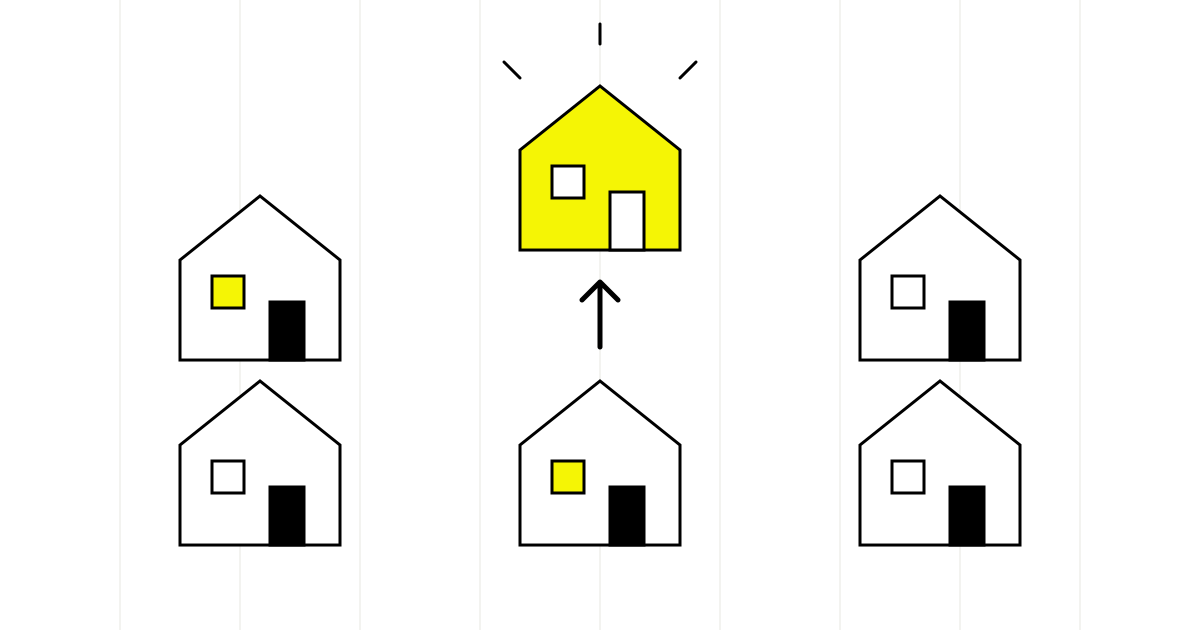
A grid of six houses, some with a lit yellow window. The AI agent selects a single house, raised above the others and lit in yellow

What does a real estate AI agent do during an agency's day?

A real estate AI agent takes over the repetitive work of the day: it reads the inquiries that come in from the property portals, schedules and confirms viewings, gathers the property documents and writes reports for owners. Giallo Studio custom-designs it with Claude, GPT and Gemini; mandates, prices and negotiations stay with the real estate agent.

A working day, agent by agent.

The property file agent fits the property documents together like a puzzle: it asks the owner for what's missing, flags floor areas that don't match between registry extract and floor plan and, once the file is complete, writes the draft listing with the energy class from the APE.
  1. At eight in the morning, before raising the shutter

    Portal inquiry agent

    Replies to inquiries that came in overnight from the portals and the website, and sorts contacts by priority.

    1. Collects inquiries from portals, website and email and links them to the right listing.
    2. Replies with the information already published and asks about area, timing and whether a mortgage has already been assessed.
    3. Suggests other properties in the portfolio when the listing is sold or doesn't match the search.
    4. Gives each contact a priority with the reason written in plain words, not a mysterious score.
    5. Creates the record in the management software and the callback list for the area agent.

    Connects to: Immobiliare.it, Idealista, Casa.it · Agency management software · Email and website chat

    Claude Haiku
    Portal inquiries are many and short: you need a fast model that understands whether the contact is asking for a viewing, for information or just about availability.
    Claude Sonnet
    Writes the actual replies and the qualifying questions in a courteous tone, without adding property features the listing doesn't mention.

    Who approves. The agency owner approves the reply templates and the priority criteria; contacts from people who want to sell their home always go to a person.

  2. Between ten and lunch, while the agent is out winning new listings

    Viewing scheduling agent

    Fits together the availability of buyer, owner and agent and keeps the calendar always in sync.

    1. Reads viewing requests and the time slots the owner has allowed for that property.
    2. Offers the client two or three times that fit the area agent's movements.
    3. Books the viewing in the shared calendar and notifies the owner with the agreed message.
    4. The day before, asks both sides for confirmation and frees the slot if either one cancels.

    Connects to: Google Calendar or Outlook · WhatsApp Business Platform · Agency management software

    Gemini
    Many agencies already work with Gmail and Google Calendar: in that case we prefer it because it integrates with the Google Workspace tools the agency uses every day.
    Codex
    Used to write the connection between calendar and management software and to keep it up to date; it doesn't handle client data.

    Who approves. The viewing slots are set by the owner together with the agent. Viewings outside those slots remain a request that the real estate agent confirms manually.

  3. In the afternoon, as soon as the agent gets back in the car after a viewing

    Viewing report agent

    Turns a voice note of a few seconds into a tidy report in the property and client records.

    1. Receives the agent's voice or written note right after the viewing.
    2. Separates the client's impressions, objections on price or terms and the agreed next steps.
    3. Updates the client record and the property's viewing history.
    4. Drafts the thank-you message to the client, which the agent sends or edits.

    Connects to: Voice notes from the phone · Agency management software · Property record

    Claude Sonnet
    Summarizes speech into clean text and clearly separates what the client said from what the agent inferred, a difference that matters when the report reaches the owner.

    Who approves. The report stays a draft until the real estate agent confirms it; nothing reaches clients or owners without their OK.

  4. The day you sign a new sale mandate

    Property file agent

    Builds the list of property documents, checks the ones received and prepares the draft listing with the mandatory data.

    1. Creates the list of the property's standard documents: registry extract, cadastral floor plan, APE energy certificate, deed of origin, condo rules and fees.
    2. Reads the files received from the owner and flags obvious inconsistencies, such as floor areas or owners that differ between documents.
    3. Prepares the request to the owner for whatever is missing, with a simple explanation of each document.
    4. Writes the draft listing from the verified data, with a slot for the energy class taken from the APE.

    Connects to: PDF documents and scans · Agency archive · Management software and portals

    GPT
    Extracts data in structured form from registry extracts and certificates, documents with recurring formats where precise, verifiable fields matter.
    Claude Opus
    Steps in on long, messy files, when you need to read deed, floor plan and condo rules together to spot a discrepancy.

    Who approves. Zoning and cadastral compliance is assessed by technical experts and the notary. The agent flags doubts, it doesn't give opinions; the listing goes online only after your review.

  5. Friday evening, once the week is closed

    Owner update agent

    Prepares a clear update for each owner on the week's contacts, viewings and feedback.

    1. Pulls from the management software the contacts received, viewings held and confirmed reports for each property.
    2. Writes a short update, with visitors' recurring objections reported neutrally.
    3. Queues the drafts for the agent in charge of the mandate.
    4. Sends approved updates by email or WhatsApp, according to the owner's preference.

    Connects to: Agency management software · Email · WhatsApp Business Platform

    Claude Sonnet
    Reports negative feedback too, tactfully and without judgment, and doesn't suggest price cuts the agent hasn't decided on.

    Who approves. Every update is reread by the agent who holds the mandate. Price proposals and sales strategy are discussed in person.

Where time gets lost today.

These are the points we hear about most often. Each one is a possible first agent.

In the morning the inbox is full of one-line inquiries

“Is it still available?” “Can we see it on Saturday?” Messages from Immobiliare.it, Idealista and Casa.it pile up overnight, and the first hour of the day goes into replying without knowing who is actually ready to buy.

When you open the agency, the inquiries have already had a reply and a first qualification: area, property type, timing, whether a mortgage has already been assessed. You call back the people who are ready.

Viewings move three times and nobody updates the calendar

The client confirms, then asks for another time, then the owner can't make it. Between phone calls and WhatsApp the shared calendar falls behind, and sometimes you end up in front of a locked door.

An agent coordinates the client's, the owner's and your availability, confirms the day before and updates the calendar at every change.

The property file gets completed just before closing

Registry extract, floor plan, APE energy certificate, deed of origin, condo fees: they arrive from the owner at different times, and someone notices when the notary asks for them.

From the day the mandate is signed, an agent keeps the document list, flags missing or expired documents and prepares the request to the owner.

The owner calls to ask how it's going

Whoever entrusted you with the sale wants to know how many viewings there have been and what people said. The answer depends on the memory of the agent who handled them.

Every viewing leaves a written report, and at the end of the week the owner receives an update you have reread and approved.

Which AI model we use, and for which task.

We don't tie you to a single provider: we work with Claude by Anthropic, GPT and Codex by OpenAI, and Gemini by Google, and we choose the version during testing, on your own cases.

Claude Haiku

  • Portal inquiry agent. Portal inquiries are many and short: you need a fast model that understands whether the contact is asking for a viewing, for information or just about availability.

Claude Sonnet

  • Portal inquiry agent. Writes the actual replies and the qualifying questions in a courteous tone, without adding property features the listing doesn't mention.
  • Viewing report agent. Summarizes speech into clean text and clearly separates what the client said from what the agent inferred, a difference that matters when the report reaches the owner.
  • Owner update agent. Reports negative feedback too, tactfully and without judgment, and doesn't suggest price cuts the agent hasn't decided on.

Gemini

  • Viewing scheduling agent. Many agencies already work with Gmail and Google Calendar: in that case we prefer it because it integrates with the Google Workspace tools the agency uses every day.

Codex

  • Viewing scheduling agent. Used to write the connection between calendar and management software and to keep it up to date; it doesn't handle client data.

GPT

  • Property file agent. Extracts data in structured form from registry extracts and certificates, documents with recurring formats where precise, verifiable fields matter.

Claude Opus

  • Property file agent. Steps in on long, messy files, when you need to read deed, floor plan and condo rules together to spot a discrepancy.

How we choose between models: the best AI model for agents.

Your agency's day

Tell us how inquiries arrive from the portals and how you handle viewings and owners: we'll suggest the agent to build first, connected to the management software you use.

Prefer the full form? Go to the contact page.

No spam or sales pitches. Response within 1 business day.

We use this data to contact you and, if we work together, to manage the project. We store it in Giallo's internal management system, on servers in the European Union, where only our team can see it; by email we only receive a notice, without your data. If you do not become a client, we delete it 3 months after our last contact. Details and your rights: privacy policy.

Do you prefer to write or call us?

How we work with you.

  1. A round with the area agent

    We spend a day between shop window, phone and viewings to see where work gets interrupted and which messages keep coming back the same.

  2. Inventory of portals and management software

    We check how inquiries arrive from the portals and what the management software lets us read and write, through APIs, structured emails or exports.

  3. The sentences the agency never says

    With the agency owner we write the reply register: what is communicated about price, terms and availability, and what always stays with a person.

  4. Testing on a month of inquiries

    We run the agent on past inquiries and reports, anonymized, compare the models and fine-tune the instructions before opening it to clients.

Frequently asked questions, straight answers.

There isn't just one. For short portal inquiries we often use Claude Haiku, for reports and updates Claude Sonnet, for documents GPT, and Gemini for agencies that work in Google Workspace. We choose during testing, on your cases.

Yes, within the time slots the owner has allowed and the trips that are feasible for the area agent. Outside those rules it proposes, and a person confirms.

No. The valuation is done by the real estate agent after the on-site visit. The chatbot collects the details of people who want to sell and books the valuation appointment.

They connect to the inquiries the portals forward to you, usually by email or through the management software. At the start of the project we check which channels your software and the portals make available.

Yes, as a draft. It starts from the verified data in the property file, doesn't invent features and leaves you the final check before publishing.

The agent stops and hands over the conversation. It passes the request to the area agent with the chat context, without answering on price or making counteroffers.

AI agents for real estate agencies

What hour of the day would you like back for winning new listings?

Tell us how inquiries arrive from the portals and how you handle viewings and owners: we'll suggest the agent to build first, connected to the management software you use.