Skip to content
Giallo

AI agents for ecommerce: customer service that actually reads orders, couriers and the catalog.

What do AI agents do in an online store, beyond answering in chat?

AI agents for ecommerce work on your store's data: they read orders and courier tracking, open return requests, answer product questions from the catalog and prepare product listings and replies to reviews. Giallo Studio builds them to measure with Claude, GPT and Gemini, connected to your platform; refunds and exceptions are always approved by a person.

This page is for anyone running an online store on WooCommerce, PrestaShop, Magento or a proprietary platform who spends too many hours answering the same questions. For each problem we compare how it works today with what changes with an agent we build, then go into the details: steps, models, approvals.

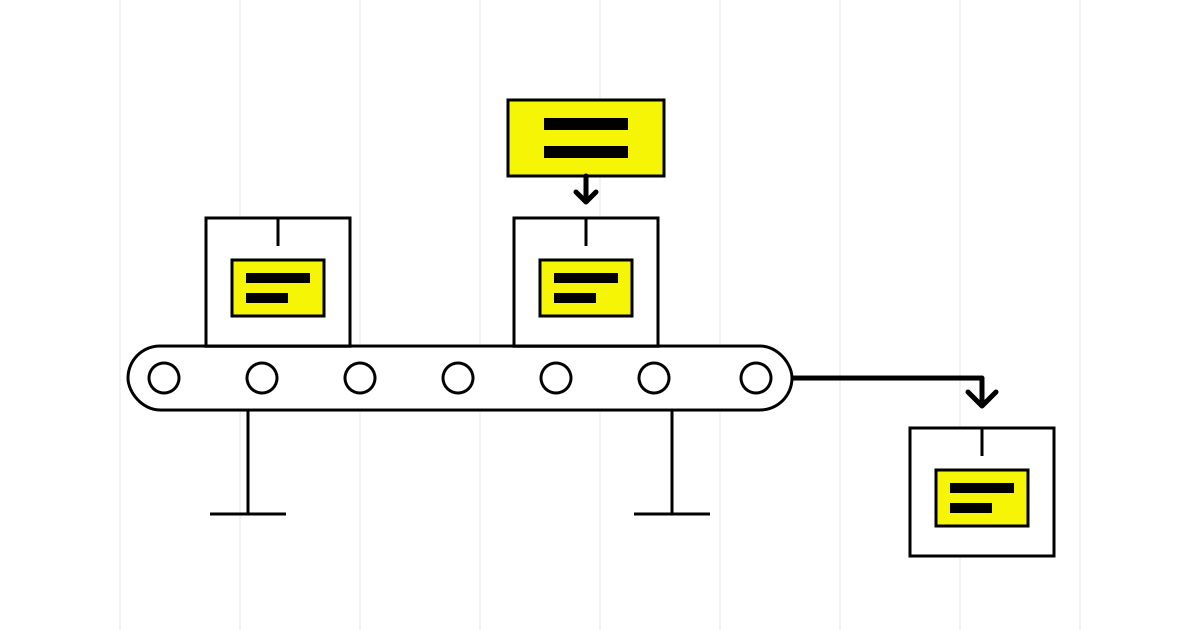
An AI agent for ecommerce applies yellow labels to white parcels moving along the conveyor belt and heading down toward shipping

Before and after the agent, in everyday work.

“Where's my order?”

Today. Whoever handles customer service opens the store dashboard, copies the tracking number, pastes it into the courier's website and rewrites the reply by hand, one email after another.

With the agent. The agent recognizes the customer, reads the order and the courier tracking and replies with the real status; if the shipment is stuck, it prepares the report to the courier and passes it to your team.

Returns handled through endless emails

Today. The customer writes that they want to return something, you ask for the order number, then the reason, then the photos; the label is generated separately and the return status lives in a spreadsheet nobody updates.

With the agent. A guided flow collects order, items, reason and photos in a single conversation, checks your terms and prepares the complete return request, ready to approve with one click.

Product questions left unanswered in the evening

Today. Questions about sizes, compatibility or delivery times arrive when the online store is open and the office is not. People who wait until morning for an answer often buy elsewhere.

With the agent. The virtual assistant replies at any hour using only published product pages, guides and terms; when the data isn't enough, it says so and leaves the question to the team with the context ready.

Incomplete product listings and rejected feeds

Today. Missing attributes, descriptions copied from the supplier and translations put off: the catalog grows faster than anyone can clean it up, and sales channels report errors.

With the agent. An agent fills in the attributes the feed requires from the price list, reads the rejection reasons and proposes the fix, before the product drops out of the ads.

Reviews left without a reply

Today. Reviews get read whenever there's time; negative ones sit there without a reply, and the problems they point out, like flimsy packaging, never reach the people who can fix them.

With the agent. The agent reads every new review, labels it by topic, proposes a reply and sends recurring problems to the warehouse or product manager.

The AI agents we design, one by one.

The order status agent at work: it reads the courier tracking, follows the parcel on the map and replies to the customer with a clear sentence; for the order held at the depot it prepares the report to the courier and alerts the team.

Order status agent

Replies with the real order status by reading the platform and the courier, and prepares a report for the team when something gets stuck.

With every message asking where a shipment is, via chat, email or WhatsApp.

Connects to: WooCommerce, PrestaShop or Magento · Courier APIs · Helpdesk · WhatsApp Business Platform

  1. Identifies the customer by email and order number, without asking for other personal data.
  2. Reads the order status from the platform and the tracking from the courier.
  3. Turns the courier's technical statuses into a clear sentence, with the expected date if the courier provides one.
  4. If the shipment is stuck or held at the depot, it prepares the report to the courier and alerts the team.
Claude Haiku
Requests are many and nearly identical: you need a fast, inexpensive model that is strict about never inventing statuses the courier hasn't reported.
Codex
Writes and maintains the connectors to the platform and the courier APIs, with the code reviewed by our team; it does not read conversations.

Who approves. You approve the standard replies once; refunds for delays, reshipments and discount vouchers are always decided by customer service.

Returns and withdrawals agent

Collects everything needed for the return, checks your terms and prepares the request for the warehouse.

When a customer asks to return or exchange an item.

Connects to: Ecommerce platform · Returns management system · Courier APIs · Email

  1. Asks for the order number, the items to return and the reason, with different questions for a defect, a size issue or a change of mind.
  2. Checks that the request falls within the withdrawal period, which the Italian Consumer Code sets at fourteen days for distance contracts, subject to exceptions, and within the store's terms.
  3. Asks for photos when the reason is a defect or damage in delivery.
  4. Prepares the return request with the label, if the courier generates it via API, and the packing instructions.
  5. Updates the return status when the warehouse confirms receipt and inspection.
Claude Sonnet
Return conversations are delicate: the customer is often unhappy and the agent has to stay courteous without promising refunds it cannot decide.
Gemini
Looks at the photos the customer sends and describes the visible damage for the warehouse staff who must assess it, without deciding for them.

Who approves. A person authorizes the refund after the warehouse inspection. The agent never denies a withdrawal: doubtful cases go to the team.Source

Pre-purchase questions agent

Answers questions about features, sizes, compatibility and delivery using only catalog data and the information pages.

When a visitor opens the chat from a product page or the cart.

Connects to: Website chat · Product catalogue · Information pages

  1. Reads the page of the product the visitor is viewing and the linked guides.
  2. Answers the question citing the internal source, for example the size chart or the shipping terms.
  3. If the information isn't there, it says so explicitly instead of guessing.
  4. Passes unanswered questions to the team and collects them in a list for completing the product pages.
Claude Sonnet
It answers well when bound to the documents we give it and admits when a piece of information is missing, which is essential to avoid setting wrong expectations.
Gemini Flash
During peak periods we add it for the simplest, most frequent questions, so the cost per conversation stays under control.

Who approves. You approve the pages and product listings the agent may use; discounts, special prices and off-catalog orders stay with sales.

Catalog agent

Prepares products for the Google Merchant Center feed and gets the ones the feed rejected back on their feet.

When a new supplier price list or a batch of products to publish comes in.

Connects to: Supplier price lists · Ecommerce platform · Google Merchant Center

  1. Reads the supplier price list and the Merchant Center product data specification for your category.
  2. Fills in the attributes the specification requires and the price list contains, such as GTIN, brand, condition or size.
  3. For rejected products, reads the reason given by Merchant Center and, if it concerns the image, looks at the photo submitted.
  4. Proposes the fix, field or image, in a list to approve; it also writes a draft description in the store's tone.
GPT
Maps the price list columns to the attributes of the Merchant Center specification and returns a feed validated against a schema, with no invented fields when data is missing.
Gemini
Looks at photos of products rejected for image-related reasons, for example overlaid promotional text or a placeholder image, and points out which shot to replace.

Who approves. No product goes live without a person approving the listing and the price.

Reviews agent

Labels reviews, proposes a reply and brings recurring problems to the people who can fix them.

Every morning, on the reviews received since the day before.

Connects to: Review platform · Helpdesk · Weekly report

  1. Collects new reviews from the platform you use.
  2. Labels them by topic: product, delivery, packaging, support.
  3. Proposes a public reply in your tone, which a person approves.
  4. Every week, it summarizes recurring topics for the warehouse and purchasing.
Claude Haiku
Labels many short reviews quickly and consistently.
Claude Sonnet
Writes measured public replies, even when the review is harsh.

Who approves. A person approves every public reply; the agent does not write reviews, edit them or select them.

How we work with you.

  1. Reading a month of tickets

    We start from anonymized customer service conversations and figure out which requests repeat and how much manual work each one takes.

  2. Mapping platform, couriers and helpdesk

    We check what your platform, couriers and helpdesk expose through APIs, and which minimum permissions each agent needs.

  3. Store rules written once

    Return terms, exceptions, tone of voice, phrases to avoid: they become instructions the agent follows and that you can update.

  4. Launch on a single channel

    We start with chat or email, with human review of the replies at first, and expand once the team is comfortable.

Which AI model we use, and for which task.

We don't tie you to a single provider: we work with Claude by Anthropic, GPT and Codex by OpenAI, and Gemini by Google, and we choose the version during testing, on your own cases.

Claude Haiku

  • Order status agent. Requests are many and nearly identical: you need a fast, inexpensive model that is strict about never inventing statuses the courier hasn't reported.
  • Reviews agent. Labels many short reviews quickly and consistently.

Codex

  • Order status agent. Writes and maintains the connectors to the platform and the courier APIs, with the code reviewed by our team; it does not read conversations.

Claude Sonnet

  • Returns and withdrawals agent. Return conversations are delicate: the customer is often unhappy and the agent has to stay courteous without promising refunds it cannot decide.
  • Pre-purchase questions agent. It answers well when bound to the documents we give it and admits when a piece of information is missing, which is essential to avoid setting wrong expectations.
  • Reviews agent. Writes measured public replies, even when the review is harsh.

Gemini

  • Returns and withdrawals agent. Looks at the photos the customer sends and describes the visible damage for the warehouse staff who must assess it, without deciding for them.
  • Catalog agent. Looks at photos of products rejected for image-related reasons, for example overlaid promotional text or a placeholder image, and points out which shot to replace.

Gemini Flash

  • Pre-purchase questions agent. During peak periods we add it for the simplest, most frequent questions, so the cost per conversation stays under control.

GPT

  • Catalog agent. Maps the price list columns to the attributes of the Merchant Center specification and returns a feed validated against a schema, with no invented fields when data is missing.

How we choose between models: the best AI model for agents.

Frequently asked questions, straight answers.

The chatbot answers, the agent works. An ecommerce chatbot repeats the FAQ; an agent reads orders, tracking and the catalog, opens return requests and routes cases to the right people, with rules and approvals written by you.

No, not in the projects we build. It prepares the complete request and puts it in the queue; a person authorizes the refund after the return has been inspected in the warehouse.

Yes, if the platform exposes the necessary APIs, as these systems normally do. For Shopify stores we have a dedicated page with the choices specific to that platform.

The model is paid per use, based on the text it reads and writes, so the cost depends on your volumes and on how long each conversation is. That's why we estimate the spend on your store's real messages before starting and set a monthly usage cap: repetitive order-status questions go to a lightweight model, longer ones to a more capable one.

Yes. It replies in the customer's language using the same approved sources; for languages in which you have no translated information pages, we first translate the terms of sale.

No. The agent receives the order number, the items and the customer's message, never payment data, and we use paid versions of the models that do not train on this data.

The requests you get every day

Send us the platform you use, your couriers and the requests that weigh on you most: we'll tell you which agent to build first and what it takes to connect it.

Prefer the full form? Go to the contact page.

No spam or sales pitches. Response within 1 business day.

We use this data to contact you and, if we work together, to manage the project. We store it in Giallo's internal management system, on servers in the European Union, where only our team can see it; by email we only receive a notice, without your data. If you do not become a client, we delete it 3 months after our last contact. Details and your rights: privacy policy.

Do you prefer to write or call us?

AI agents for ecommerce

Which customer request do you want to stop handling by hand?

Send us the platform you use, your couriers and the requests that weigh on you most: we'll tell you which agent to build first and what it takes to connect it.