
Anthropic OSS Scanner: free AI scans for eligible open-source projects
Anthropic OSS Scanner offers scans for eligible open-source projects. How to apply and assess raw reports without treating them as certified audits.
Reading time: 11 min
Anthropic OSS Scanner is an opt-in AI scan program for eligible open source projects, not a free audit for any enterprise software. It was introduced in Anthropic’s cyber ad 8 October 2026, which describes the program in its own security path. The reference date is that of Anthropic Primary Source, even when a reprise of the news uses a different day.
For maintainers it can be a help in identifying problems to verify. For an SME using open source libraries, the question is how to receive and treat dependency information. An AI report is the beginning of a verification, not the automatic demonstration of a exploitable vulnerability in your system or a security certification when the report does not contain surveys.
In summary
- The program is selective and covers approved open source projects.
- The application requires the involvement of the maintainer and a reproducible setup.
- Initial reports are raw and require verification.
- Triage, correction and release remain the work of the project.
- Companies need to link reports to dependencies that are actually used.
Who can access it and what does it mean for free?
The OSS Scanner page describes free access for relevant and approved projects, with periodic scans. There is no explicit Italian exclusion, but the criterion is the suitability of the project and the application path, not simply belonging to a market. A private repository of an SME should not be considered automatically covered.
The benefit is about the scanning program, not all the work needed to handle a problem. A maintainer must read the report, reproduce the behavior, understand the conditions and decide the correction. A company using addiction must assess whether the affected version is present in their systems and whether the vulnerable path is attainable. These are related but not coincidental responsibilities.
Gratuitousness can make a source of reporting more accessible. However, the concrete value depends on the ability of the project to deal with them. If there is no time for triage, an additional report can wait along with already opened issues. Before applying, it is therefore best to identify who will read the results and what procedure they will use to arrive at a decision.
What does the maintainer need to prepare for the application?
The official repository anthropics/oss-scanner describes a path via pull request and configuration, with a reproducible setup of the project. The maintainer must read the updated instructions and prepare what the program requires. It is not enough to indicate a public URL if the code cannot be installed or executed in the intended manner.
Reproducibility also helps internal work. Dependencies, preparation and testing commands must be understandable without information stored only on a developer's computer. If the environment requires external access, we need to understand which ones are needed and how to provide a test alternative. The application must not become a channel to expose credentials or data that the project is not allowed to share.
The manager should distinguish configuration for scanning and productive environment. The scanner may need to build the project, but this does not imply access to the real services that use it. Preparing examples and appropriate test data makes it easier to assess reports without introducing a new operational risk in the analysis phase.
Why is the initial report not a confirmed vulnerability?
The program page clarifies that the initial reports are raw and not verified by human reviewers: the reference is the official description of OSS Scanner. A report may be useful, duplicate, incomplete, or not applicable to the project configuration. Before giving it operational gravity it is necessary to read the code and reproduce the relevant conditions.
The triage must ask what input controls a possible external subject, what conditions should be true and what consequence is possible. A problematic but unattainable function may require treatment other than an exposed path. Even the absence of an immediate demonstration does not allow to dismiss the case without analysis: it may be useful to clarify the context or prepare a more targeted test.
| Status of the report | Work Needed | Outcome to be recorded |
|---|---|---|
| To read | Understand assumptions and code involved | Area and Manager |
| To be played | Preparing a Minimum Case | Observed conditions |
| Confirmed | Assessing impact and priorities | Correction Plan |
| Not applicable | Demonstrate the reason in context | Evidence of the decision |
| Correct | Check for patches and regressions | Update version and instructions |
How to turn a hypothesis into a repeatable verification?
The maintainer should start with a minimal case, avoiding changing multiple components at the same time. The test must show the behavior that makes reporting relevant. If the problem is about permissions, it is not enough to prove a generic error; you need to understand which identity can reach the path and with which data. The evidence must remain in an authorized environment.
The outcome is recorded with the necessary conditions and limits of the verification. A patch should then cause unwanted behavior to fail and keep the legitimate one. The regression test has value when it protects the observed cause, not when it only repeats the new implementation. This allows maintainers to evaluate future changes without reconstructing all the analysis from scratch.
The Code Review with Claude Opus concerns a different support tool, but the criterion remains to verify the evidence. The model name or detailed form of the report does not replace reading the path and observing the behavior in the actual project.
Can an Italian maintainer use it on an integration library?
Hypothetical scenario. A maintainer develops an open source library that connects business applications to a service. He wants to run for periodic scans. It prepares reproducible instructions and dummy data, then assigns a handler to the triage. The program remains subject to approval: the fact that the library is public does not guarantee access.
A report could be about managing an input used to build a request. The maintainer checks which users can control it, whether the conditions are realistic, and which versions contain the path. The analysis is not carried out against third-party services without authorization. The result is a repeatable case that helps to decide patches and communication.
The project must also avoid publishing details that expose users before appropriate management of the problem exists. The communication follows the security process chosen by the maintainer. The AI report becomes a work input, while the timing and modalities of the correction depend on the verification and the responsibilities of the project.
How does a software house rate a reported addiction?
Second hypothetical scenario. An Italian software house uses an open-source library in business management software for SMEs. It receives news of a report in the project. The first step is identifying the version, component and path actually used. Recognising the library’s name is not enough to conclude every customer is exposed, but neither should the case be ignored because the main software is proprietary.
The team checks where the dependency is present, what inputs it receives, and what application controls surround it. If a patch is available, prepare a test on the test environment and evaluate compatibility. If the correction is not yet available, consider proportionate temporary measures and document who should decide. The process must keep track of the assumptions still open.
The Guide on AI and Data Security links this activity to the management of the entire system. The risk also depends on permissions, data, and destinations attainable. A dependency does not live isolated: the evaluation must follow it in the context of the application and in the consequences for users.
How to prioritize without just trusting the report label?
The priority combines technical gravity, reachability and operational context. An important signal in the code may not be exploitable in the configuration used, while a seemingly simple problem may have a concrete impact on an exposed path. The team must read the chain of conditions, avoiding both indiscriminate alarm and minimization based on the absence of observed incidents.
It is useful to separate urgency of verification and urgency of release. An uncertain but potentially relevant case may require immediate analysis; a patch may need compatibility testing before deployment. Decisions must have an owner and a motivation, so matters do not remain suspended between developers, product manager and customer.
The cost of triage goes into routine maintenance. A free program does not delete this entry. The company must provide time for updates, tests and communications, especially when the same dependency appears in multiple systems. Scanning produces a signal; the maintenance process turns it into a verifiable choice.
What checks remain necessary before releasing a patch?
The patch must correct the cause without creating an obvious regression in legitimate behavior. The reproduced case occurs, then the relevant flows of the library or application. The diff revision checks that the change is limited to the problem and does not introduce new accesses or data into the logs. The release maintains the path planned by the project.
If an agent helps prepare the code, the environment must have consistent permissions. The GitHub Copilot local sandbox is about isolating tools in the supported path, not patch certification. Limiting the environment and verifying the result are complementary controls, with different evidence.
The use of Claude for the code can support reading and proposing corrections. The maintainer must still control the behavior and make the decision to accept the change. A fast-generated patch does not solve the problem if the test does not prove that the vulnerable condition has been removed.
How to maintain the usable dependency inventory?
A useful inventory indicates component, version, and applications that use it. It must be up-to-date enough to allow a search when a report arrives. You don't need to describe every detail in a manual sheet if your project already has the right tools, but you do need a path that links the library's public name to the affected business systems.
The manager should also know who can update the component and what environment to use for the test. A dependency present in multiple products may have different constraints: an updated version may be compatible with one application and require work in another. The priority must therefore refer to the system, avoiding a single abstract decision for the whole company.
Exposure information should not be distributed indiscriminately. The technical register may contain sensitive details about the architecture. Access and sharing should be limited to those who need to verify or fix the problem. The transparency of the process is about accountability and the state of the work, not the publication of every operational detail.
What is the relationship between scanning and agent network access?
A scanner or assistant may need dependencies and documentation, but this does not authorize every destination. Claude Managed Agents network restrictions they relate to specific environments and show a separate boundary: what sources and tools can be reached. The actual configuration must be verified in the path used.
The reproducible setup should reduce unnecessary dependencies and clarify the required accesses. If the test requires a remote service, the maintainer must verify authorization and consequences. You don't have to use a scan as a reason to automatically open up productive credentials or customer infrastructure. The task of analysis remains limited to the authorized material and environment.
The in-depth study on Aqua and the errors of the agents in production It addresses a close theme: abnormal outcomes must be readable and manageable. Also in triage it is necessary to distinguish interrupted scan, incomplete report and absence of reliefs. They are different conditions and cannot produce the same safety conclusion.
When a report arrives: the route of the maintainer
Identify component and version. Read the assumed conditions and prepare an authorized test. It records what is confirmed and what remains uncertain. Evaluate priorities in the context of the project, prepare correction and verify previous and new behavior. It then communicates the state according to the security process adopted, keeping a track of the decision.
What errors cause the value of reports to be lost?
Specific errors are to consider each relief confirmed, discard a case without reading its conditions, promise full coverage and treat the absence of reports as certification. Another mistake is not assigning a manager: the program can produce useful information, but a queue without owner does not turn into software updates.
Duplicate reports should be linked to the same verification, retaining any new conditions instead of opening indistinct parallel work. If a report does not offer enough elements to reproduce the problem, the maintainer records what is missing and keeps the state uncertain. This distinction avoids both premature closures and a queue of seemingly confirmed alarms that no one can turn into a verifiable correction.
Anthropic OSS Scanner can therefore support the work of suitable maintainers and offer a useful signal to the ecosystem. For SMEs the value goes from the ability to know what they use and how to react to a report. An intervention on Business Software It can start with the dependency inventory and a clear path between verification, patching, and release.
Giallo Studio guides: methodology and sources
How we apply it in the company
Related resources
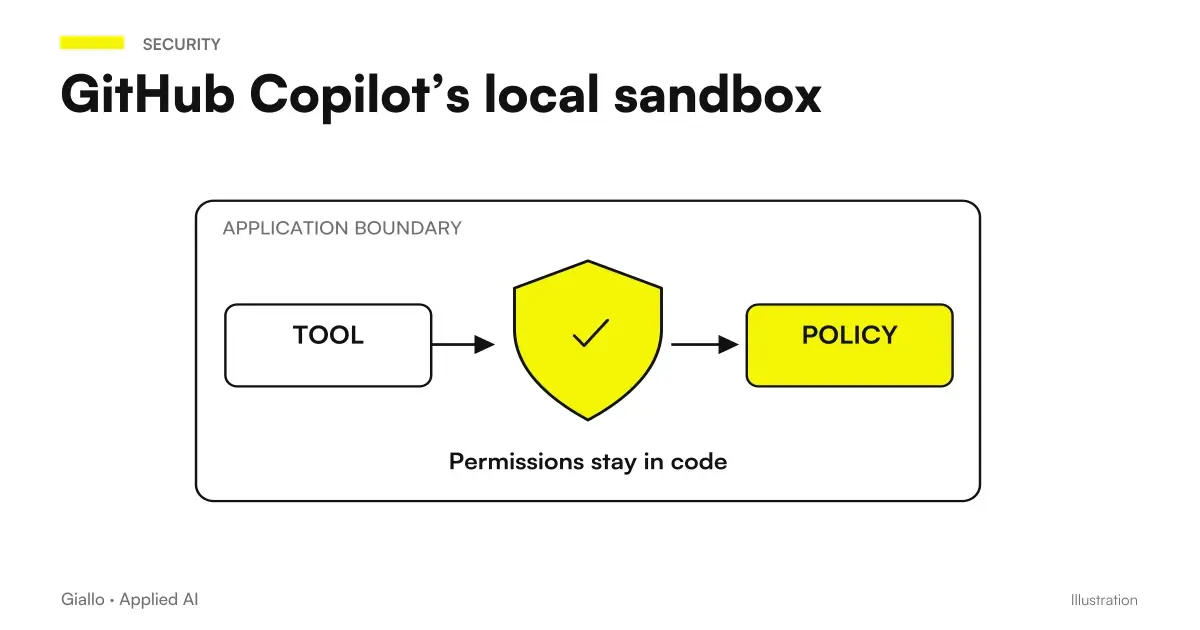 GitHub Copilot: Local sandbox available, how it limits files, network and credentials
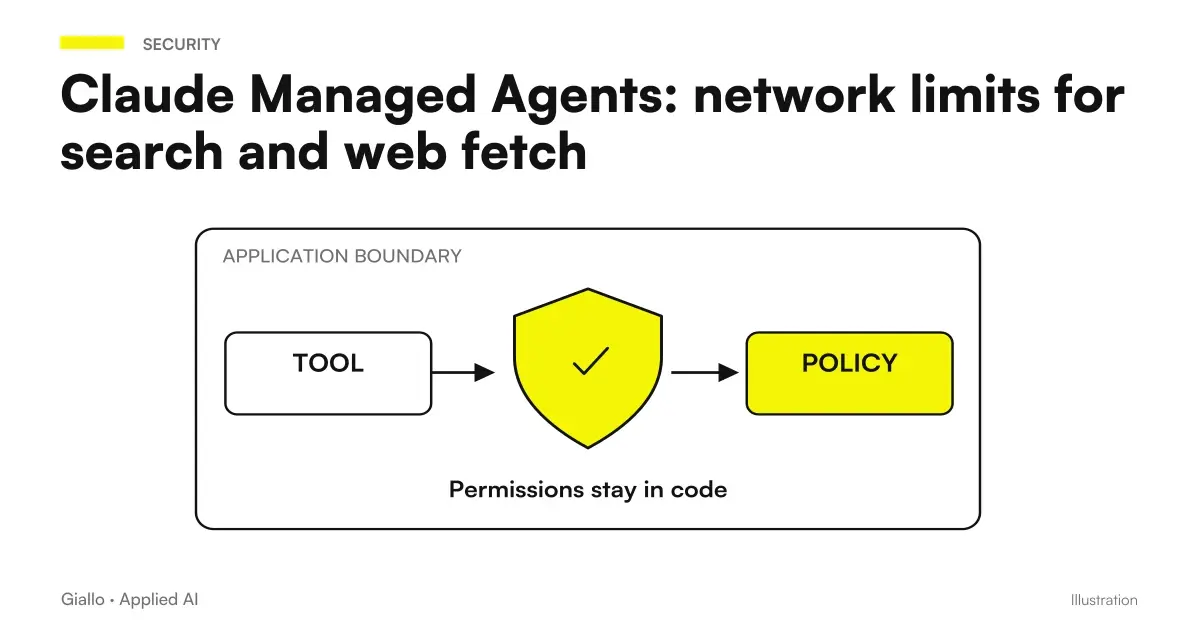 Claude Managed Agents extends network limits to search and web fetch
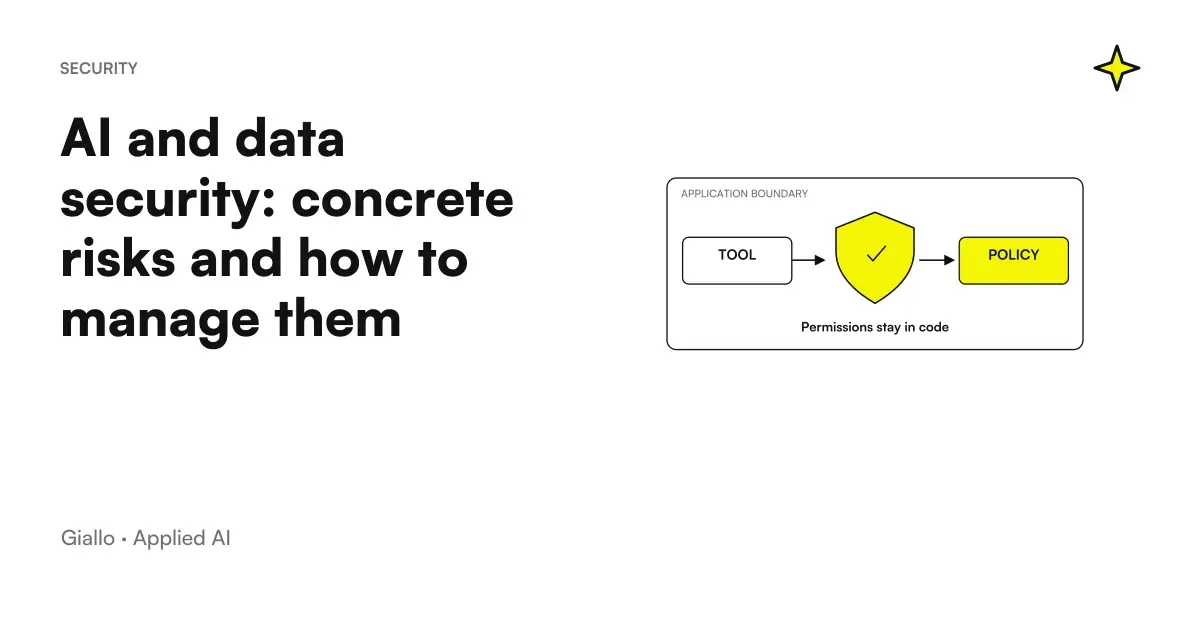 AI and data security: concrete risks and how to manage them
 Code review with Claude Opus 5.5: a prompt to find bugs before merging
 Claude AI for code and development
 Google AQuA: Finding AI Agent Errors Even When Logs Are Green
 Kimi AI for Excel: Data Analysis and Controls
 Kimi AI for presentations: from sources to slides
FAQ
Is Anthropic OSS Scanner free for any repository?
No. The program is selective and covers eligible open source projects. It does not constitute a universal free audit of companies' private repositories.
What does an approved project receive?
The program provides periodic scans according to the path described. Initial reports are raw and should not be considered vulnerabilities already confirmed by human reviewers.
Who needs to apply?
The path is aimed at maintainers and requires information and project configuration. A reproducible setup is required according to official instructions.
Does a report with no findings certify that the software is secure?
No. The absence of findings does not demonstrate the absence of vulnerabilities. Review, testing and dependency management remain necessary tasks.
Does an SME using the project have to wait for the maintainer?
The company must evaluate its exposure and follow the internal process of updating. The work of the maintainer and the responsibility of the system that uses the dependency are connected but distinct.
Does the program eliminate the correction work?
No. Reproducing findings, prioritising them, patching, verifying, and releasing remain tasks to perform. The report’s value also depends on the ability to handle its findings.